Neuroknife Model
Neurosurgery is not a single act. It is a sequence of high-stakes decisions: the right indication, precise planning, technical excellence, advanced expertise, and a structured postoperative course— with complete transparency and clear communication. At Neuroknife, we organize the entire process based on the standards of leading international academic centers, providing specialized care for patients in Greece and abroad.
Two ACGME-trained neurosurgeons within the same team
U.S. neurosurgery residency training is a global benchmark for rigor and safety. At Neuroknife,
two members of our team have trained in ACGME-accredited U.S. neurosurgery residency programs—bringing a culture of protocols,
safety, and evidence-based decision-making into everyday clinical practice in Greece.
Neuroknife is comprised of five specialized surgeons, including a craniofacial plastic surgeon,
and is supported by a multidisciplinary network of specialists.
Neurosurgeons




Two pillars. One unified standard.
Neuroknife is not “one doctor.” We are a structured neurosurgical team. The strength of our model is the combination: different forms of expertise, one shared philosophy of care.
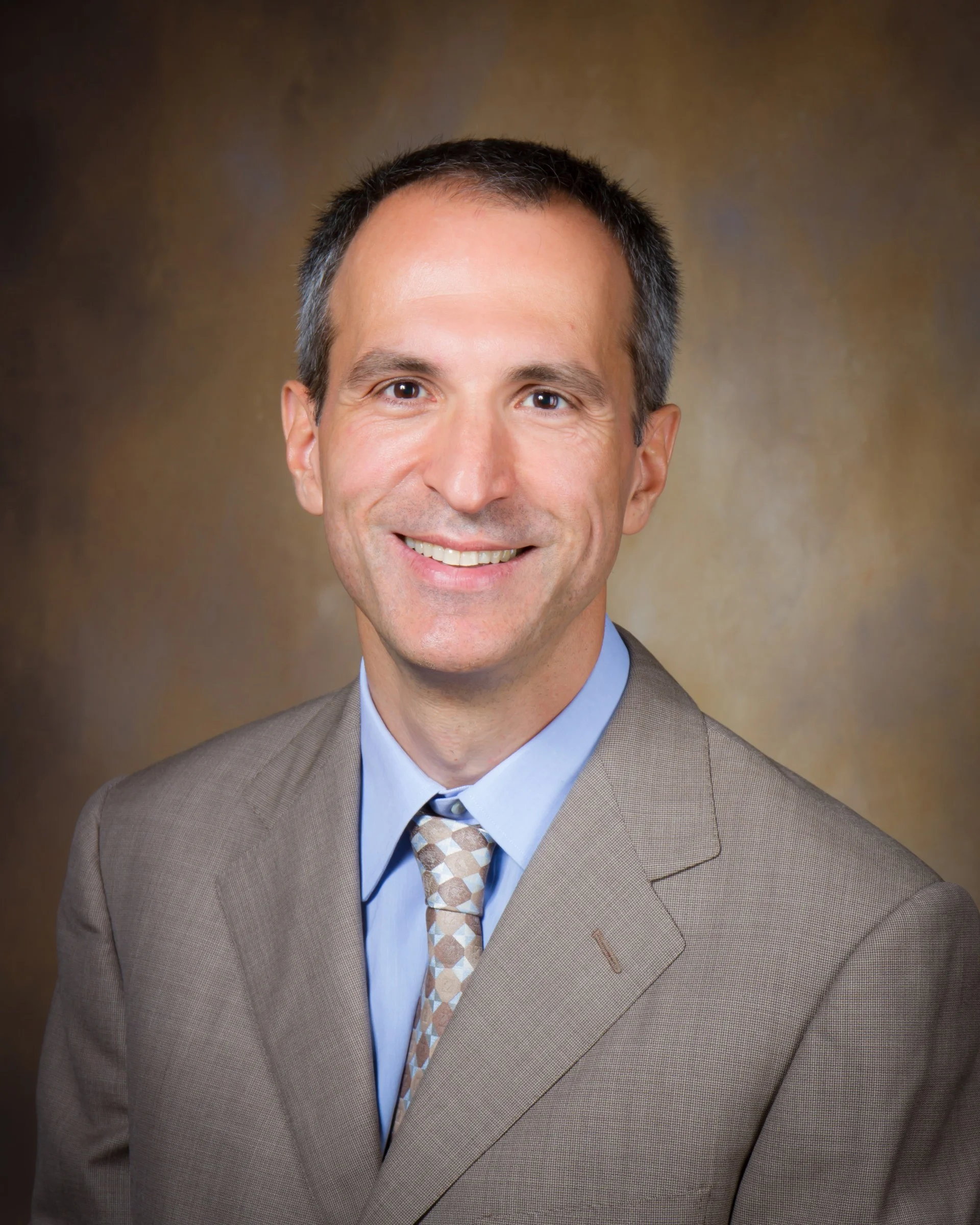
Ioannis Karampelas MD FAANS
Specialized expertise in complex cranial cases, neuro-oncology, and vascular neurosurgery, guided by evidence-based decision-making and high-precision technique.
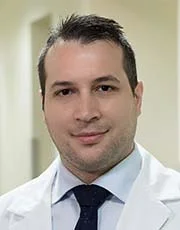
Georgios Alexopoulos MD MSc
Specialized expertise in pediatric neurosurgery, neuro-oncology, and complex spine surgery, with a meticulous focus on safety and precision planning.
The six elements of the Neuroknife model
Technical excellence is essential—but it is not enough by itself. True quality is consistency at every step: from the indication to recovery.
The right indication
We do not “operate on images.” We operate when the decision is clear, evidence-based, and truly in the patient’s best interest.
Precision planning
A plan designed to anticipate scenarios, reduce risk, and structure the operation around maximum safety.
Advanced techniques
Academic-level surgical execution with modern neuronavigation and intraoperative mapping—delivered within Greece’s leading private hospitals.
Team-based care
A second experienced perspective on complex decisions. Multidisciplinary collaboration and clear accountability.
Measurable standards
Protocols, checklists, anesthesia safety, clear consent, and an organized postoperative pathway.
Clear communication
At every stage, you should understand: why, how, what the risks are, and what “success” means for your specific case.
What to expect—from first contact to recovery
Our goal is to reduce uncertainty through a clear, organized care pathway.
Initial review
Brief history + key symptoms + imaging. We determine urgency and define the right next step.
Second opinion / treatment plan
We explain alternatives, risks, and the “why” behind each option. When needed, we recommend additional studies.
Care coordination
Coordination within leading private hospitals, preoperative workup, clear preparation, and guidance for family/caregivers.
Postoperative course
A structured follow-up, recovery, and communication plan. We do not leave gaps in continuity of care.
Do you have imaging—or need a second opinion?
For faster review, send a brief history, your primary symptom, and (if available) imaging or a viewer link. To submit files, please use the Upload Portal.
Frequently Asked Questions
Clear answers, without ambiguity.
Is Neuroknife a single practice—or a team? +
What do you mean by a “university center model”? +
Can I request a remote second opinion? +
How do you decide whether surgery is necessary? +
© Neuroknife — Original physician-authored medical content provided exclusively for patient education and informational purposes.