
Specialized Peripheral Nerve Surgery
Peripheral Nerve Surgery,
Entrapment Syndromes & Nerve Injuries
Numbness, weakness, or “electric” pain radiating into the arm or leg? The Neuroknife team provides highly specialized peripheral nerve surgery, from precise diagnostic evaluation (EMG, ultrasound) to microsurgical decompression, nerve transfers, and a coordinated rehabilitation program.
Peripheral nerves at a glance
Four essential questions we address in nearly every first visit.
What are peripheral nerves?
They are the body’s “communication cables,” carrying signals from the brain and spinal cord to muscles and skin. When injured or compressed, they may cause pain, numbness, or weakness.
Common conditions
- Carpal tunnel syndrome
- Ulnar, radial, or peroneal nerve entrapment
- Neuroma & schwannoma
- Traumatic nerve transection injuries
How is the diagnosis made?
- Focused neurological examination
- Electrodiagnostic testing (EMG / NCV)
- Peripheral nerve ultrasound or MRI
How are these treated?
- Conservative management & ergonomic guidance
- Microsurgical nerve decompression
- Nerve transfers & reconstructive surgery
What we treat—with clear strategy & microsurgical precision
Below are the most common categories we evaluate. In every case, the goal is: the right diagnosis → the right indication → meaningful, realistic improvement.
Carpal tunnel syndrome
- Finger numbness (often worse at night)
- Reduced grip and fine motor control
- Microsurgical decompression through a small incision
Ulnar nerve entrapment (elbow)
- Numbness in the ring and small finger
- Loss of strength
- Decompression ± transposition when indicated
Common peroneal nerve entrapment
- Foot drop
- Numbness and/or pain along the lower leg
- Targeted decompression at the appropriate level
Peripheral nerve sheath tumors
- A palpable “mass” along the course of a nerve
- MRI & ultrasound mapping for surgical planning
- Microsurgical resection when indicated
Nerve repair / nerve grafting
- Clean transection or complex injury
- Timing matters: earlier evaluation is often better
- Microsurgical reconstruction when appropriate
Brachial Plexus Injuries
- Traumatic nerve injuries affecting the upper extremity
- Closed traction injuries and penetrating trauma
- Accurate diagnosis to define the optimal treatment strategy
What is peripheral nerve surgery?
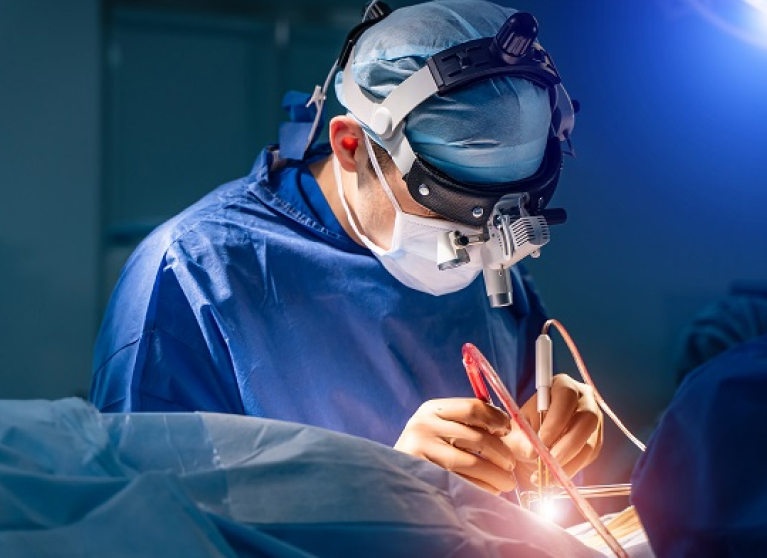
Peripheral nerve surgery focuses on disorders of nerves in the upper and lower extremities, the face, and the trunk—outside the brain and spinal cord. The goal is to relieve pain, restore sensation, and improve muscle strength and function.
At Neuroknife, our approach is grounded in accurate classification of the pathology (compression, traumatic injury, nerve tumor, etc.) and selection of the least invasive approach that still delivers meaningful benefit, always prioritizing functional preservation.
What are the symptoms—and when should I seek help?
Upper extremity
- Numbness in the fingers (often at night)
- Reduced grip strength or difficulty handling objects
- “Electric” pain radiating from the wrist or elbow
Lower extremity
- Foot drop
- Burning, tingling, or pins-and-needles sensations
- Pain with walking or specific movements
Contact a neurosurgeon promptly if:
- You develop sudden weakness in an arm or leg
- There is a deep injury near the course of a nerve
- You notice progressive muscle wasting (atrophy)
How is the diagnosis established?
Diagnosis begins with a focused clinical examination and is supported by specialized tests that evaluate nerve function and structure.
- EMG/NCV: measures conduction and helps localize the level and severity of injury.
- Peripheral nerve ultrasound: visualizes thickening, entrapment, or nerve tumors in real time.
- MRI: helpful for nerve tumors or complex traumatic injuries.
Based on the findings, we recommend an individualized plan—conservative management or surgical treatment when indicated.
Your care pathway at Neuroknife
From the first consultation through recovery, we follow a structured plan so you have a clear understanding of the “what,” “why,” and “when.”
Evaluation
History, examination, localization of the lesion, and functional goals. Detailed assessment of sensation, strength, and limb function.
Diagnostic studies
EMG/NCV, peripheral nerve ultrasound, MRI when needed, and review of prior surgery or trauma history.
Treatment decision
Conservative care, ergonomic modifications, or a recommendation for surgical decompression / reconstruction when appropriate.
Procedure
Microsurgical intervention when indicated, with an organized plan for therapy and follow-up visits.
Rehabilitation
Therapy and ergonomic guidance aimed at functional return. Collaboration with neurologists, physiatrists, and physical therapists when appropriate.
Follow-up
Reassessment, plan refinement, and realistic tracking of progress.
When is surgery needed—and when is observation appropriate?
Not every entrapment syndrome requires immediate surgery. The decision depends on symptom severity, duration, and the type and extent of nerve injury.
Mild symptoms without weakness
- Nighttime numbness without loss of strength
- Short symptom duration
- Splinting, therapy, and ergonomic modifications
Significant symptoms or weakness
- Persistent pain/numbness despite appropriate conservative care
- Weakness, foot drop, or loss of dexterity
- EMG showing clear compression or advanced nerve dysfunction
Traumatic transections or longstanding injuries
- Nerve repair, grafting, or nerve transfers
- Tendon transfers in selected cases
- Realistic planning focused on functional improvement
Frequently Asked Questions (FAQ)
The questions we hear most often from patients with peripheral nerve conditions.
1) When is it “urgent” to see you?
When there is sudden weakness, trauma near a nerve, progressive atrophy, or rapid worsening of symptoms.
2) Is EMG always required?
Often, it is highly useful in localizing the level of injury. In some cases, ultrasound combined with the clinical picture is sufficient.
3) What does peripheral nerve ultrasound add?
It provides real-time visualization (thickening/entrapment/mass) and complements EMG extremely well.
4) When does conservative treatment help?
In mild symptoms of short duration without weakness—managed with ergonomics, splinting, and therapy.
5) When do you recommend surgery?
When there is weakness, persistent symptoms despite appropriate care, or clear evidence of advanced compression.
6) Does surgery always “cure” numbness?
Not always. In longstanding compression, nerves require time to recover, and improvement may be partial.
7) How soon will I notice improvement?
It depends on the injury type. Pain often improves earlier, while sensation and strength may require weeks to months.
8) What are nerve transfers?
A reconstructive technique where functional nerve fibers are redirected to restore a critical movement in selected cases.
9) Is there a role for MRI?
Yes—particularly for nerve tumors or complex injuries and anatomical variants.
10) Is the procedure painful?
Typically mild to moderate discomfort. We provide a clear pain-control plan and activity guidance.
11) When can I return to work or activity?
It depends on the procedure and your job demands. Our goal is a safe, stepwise return with clear milestones.
12) What should I bring to my appointment?
EMG/US/MRI (if available), symptom timeline, medication list, and any trauma or prior surgical history.
Peripheral nerves—selected condition categories
Choose the category that best matches your situation for detailed, patient-focused information on conditions we treat at Neuroknife (what it is, symptoms, diagnosis, treatment options, and recovery).
Upper-extremity entrapment syndromes
Lower-extremity entrapment syndromes
Nerve tumors & traumatic injuries
Do you need an expert evaluation for a peripheral nerve condition?
Submit your studies or schedule an appointment with the Neuroknife team for a thorough, compassionate discussion tailored to your case.
© Neuroknife — Original physician-authored medical content, provided exclusively for patient education and information.