NEUROKNIFE SURGICAL PROCEDURES
Neuroknife Surgical Procedures
At Neuroknife, we perform specialized neurosurgical procedures of the brain and spine, leveraging advanced technology and safety protocols, with a strong emphasis on maximal preservation of neurological function and a faster, structured recovery.
© Neuroknife — Original physician-authored medical content, provided exclusively for patient education and information.
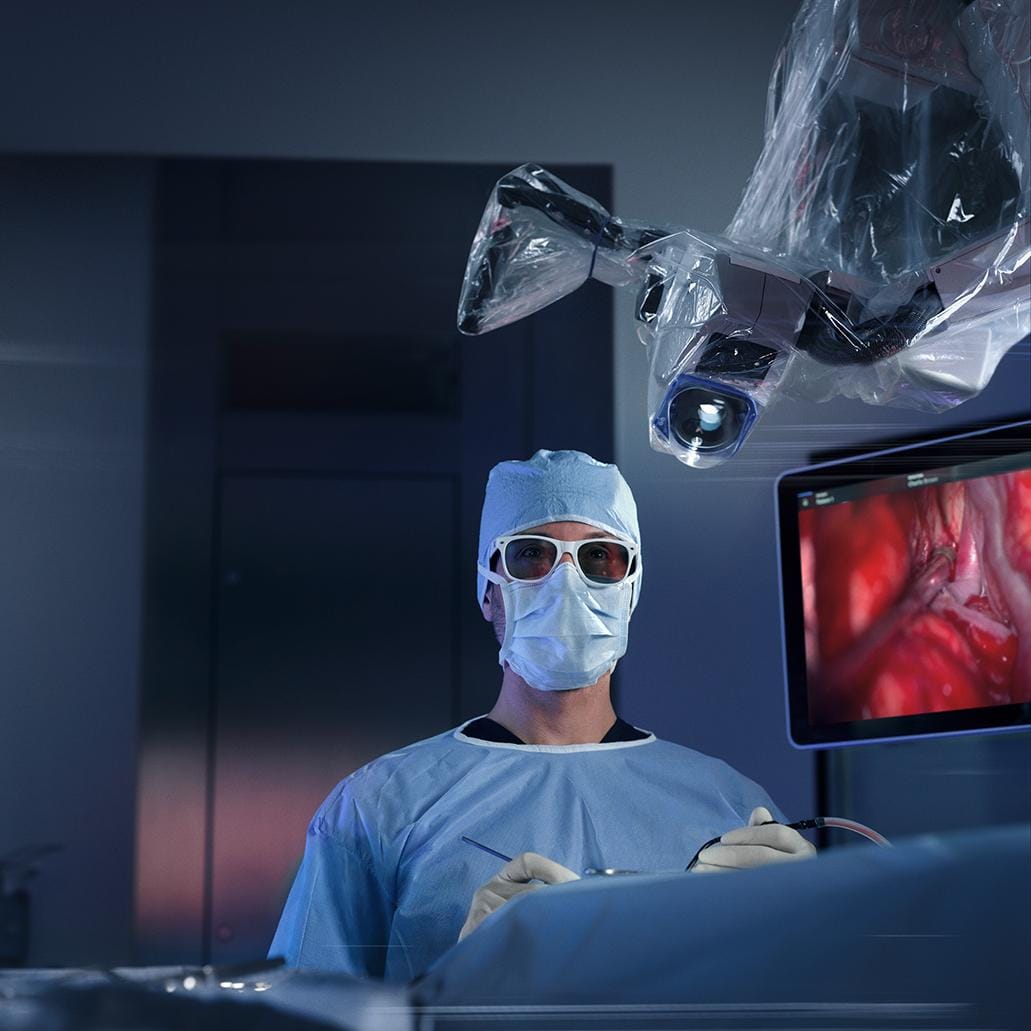
Brain Surgery – Microsurgical & Endoscopic Technology
Brain and skull base tumors, vascular disorders, epilepsy, and functional neurosurgery are treated with advanced microsurgical and endoscopic systems, intraoperative ICG angiography and, when indicated, awake craniotomy with functional mapping.
Explore brain procedures in detail →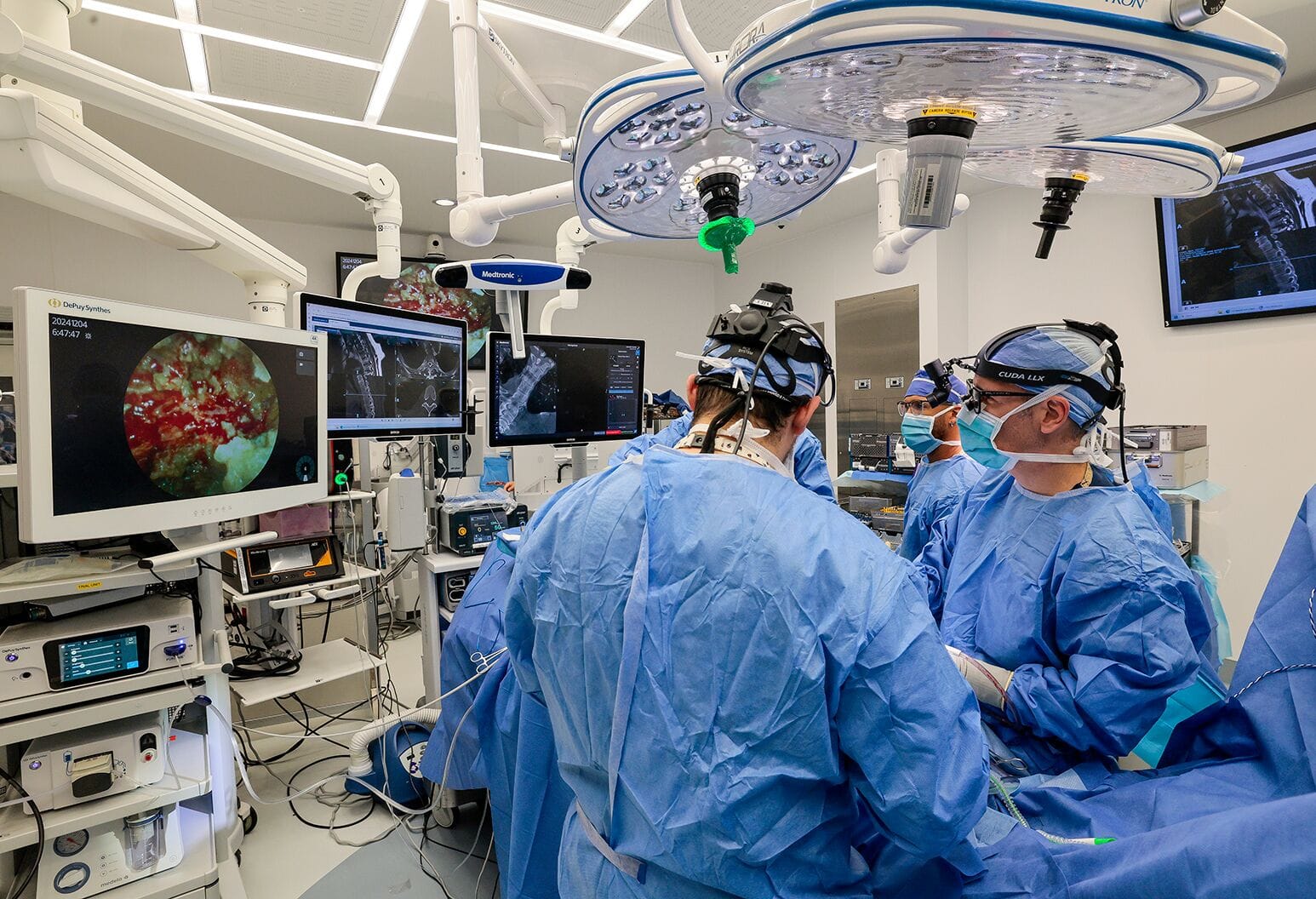
Spine – Minimally Invasive & Complex Surgical Techniques (MIS & Complex Spine)
MIS discectomies, decompressions, interbody fusions (TLIF & MIS-TLIF), complex deformity correction, trauma, and revision spine surgery using contemporary stabilization techniques, O-Arm 3D navigation, and intraoperative neurophysiologic monitoring.
Explore spine procedures in detail →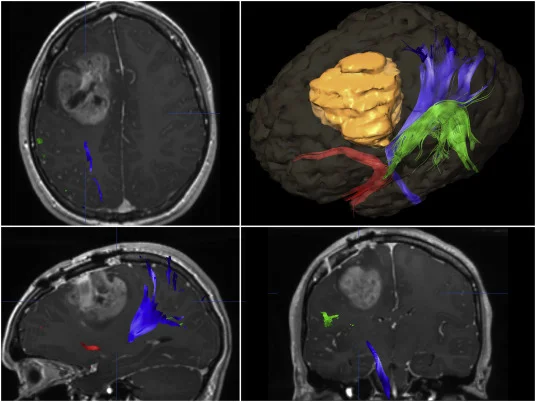
Advanced Neurosurgical Technology
Next-generation digital microscopes, high-definition endoscopic systems, neuronavigation, diffusion tensor imaging tractography, fluorescence-guided brain tumor resection with 5-ALA, intraoperative ICG angiography, intraoperative CT & O-Arm, and continuous neurophysiologic monitoring support precise access, maximal safety, and minimization of complications.
Learn more about our technology →When surgical treatment is recommended
The decision to proceed with surgery is based on clear clinical indications, with the goal of maximal safety and preservation of neurological function. Our team evaluates the full clinical picture, imaging findings, and appropriate non-surgical alternatives before recommending an operation.
- Review of symptoms and neurological examination findings.
- Specialized interpretation of MRI/CT/angiography, as appropriate to the case.
- Operative approach/technique planning based on anatomy and therapeutic goals.
- Discussion of options and realistic recovery expectations.
The Neuroknife patient journey
From the first evaluation to postoperative follow-up, our approach is structured and transparent. The goal is for each patient to understand what to expect at every stage, with a consistent emphasis on safety and the quality of care.
- Initial consultation and collection/review of imaging and studies.
- Specialized preoperative planning and patient education.
- Surgery performed under contemporary safety protocols.
- Postoperative follow-up, guidance, and rehabilitation planning.